
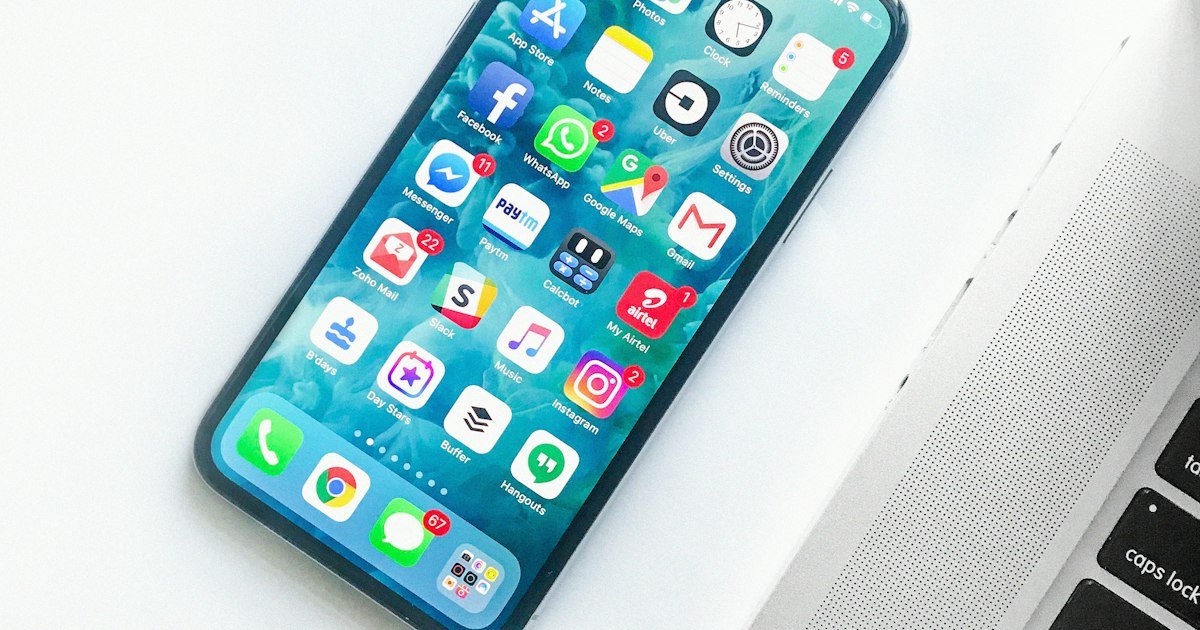
One correction before anything else: there is no standard iPhone 18 yet. Apple announced only the iPhone 18 Pro and Pro Max at its September 9, 2026 event, and the regular iPhone 18 is rumored for early 2027 (MacRumors). If you've seen "iPhone 18" headlines, they're about the Pro models.
This post skips the spec-sheet cheerleading and focuses on the part that matters if you build or run a mobile app: what changed, and what is worth checking on your own product.
What Apple actually shipped
- Price and availability. The iPhone 18 Pro starts at $1,199 and the Pro Max at $1,299. Pre-orders opened September 12 and the phones went on sale September 18. It's also the first iPhone with a 2TB storage option (9to5Mac).
- A20 Pro chip. Built on a 2 nanometer process, with a 6-core CPU and a 7-core GPU that has a Neural Accelerator in each core. Apple claims up to 40% faster graphics than the previous generation, along with a 32-core Neural Engine and a 50% increase in memory bandwidth.
- Camera. A 48MP main camera with variable aperture, which MacRumors lists as four settings from f/1.48 to f/4.0.
- Dynamic Island. It's smaller this generation, and it can now show three Live Activities at once instead of two.
- Battery and thermals. The Pro matches the iPhone 17 Pro Max's battery life, the Pro Max is rated up to 30 hours, and there's a new vapor chamber for sustained performance.
- Modem. Most of the new Pro models use Apple's own C2 modem rather than a third-party chip.
What's worth checking in your app
Most of these are our reading of the hardware, not Apple guidance, so treat them as a testing checklist rather than a mandate.
- Live Activities. If your app uses them, a third slot means yours may now sit next to two others instead of one. Check how your compact and minimal layouts look when space is shared.
- On-device ML. Neural Accelerators in every GPU core is a hint that Apple expects more machine learning to run locally. If you're calling a cloud model for something a phone can now handle, it's worth re-checking whether that still makes sense for cost and latency.
- Camera apps. Variable aperture changes depth of field and low light behavior. If your app processes photos or video, test with real captures at different apertures instead of assuming one look.
- Layout near the Dynamic Island. A smaller cutout changes the safe area slightly. Custom top-of-screen UI is where this shows up first.
- Storage assumptions. A 2TB option means some users will have enormous libraries. Anything that scans, syncs, or indexes local media should be tested against a very large dataset.
What it doesn't change
Your users aren't all on this phone. A $1,199 starting price means the iPhone 18 Pro will be a minority of devices for a long time, and the iPhone 15 through 17 will stay in the install base for years. The real risk isn't missing the newest hardware, it's an app that only gets tested on it. Keep older devices and a mid-range Android in your test pool.
It also doesn't change the native versus cross-platform question. For most business apps, a shared codebase still covers new hardware features within the usual OS update cycle, and the cases that need native (heavy graphics, deep hardware access) were already known.
Planning mobile work around it
If you're scoping an iOS or Android app and want to know whether the newest hardware should change your plan (it usually shouldn't change the architecture, only the test matrix), get in touch. For the budget side of the same decision, see our guide to mobile app development costs.
Sources: 9to5Mac — Apple announces iPhone 18 Pro, MacRumors — iPhone 18 Pro: Everything We Know